How to Grow a Tea Garden in Just Two Containers
Have you ever grown Mint or Chamomile? If so, you’ve already laid the foundation for a tea garden. Growing your own brew is far easier than you might think; with just a few choice herbs, you can create endless combinations for a cozy, homegrown cup.
The Roots of My Inspiration
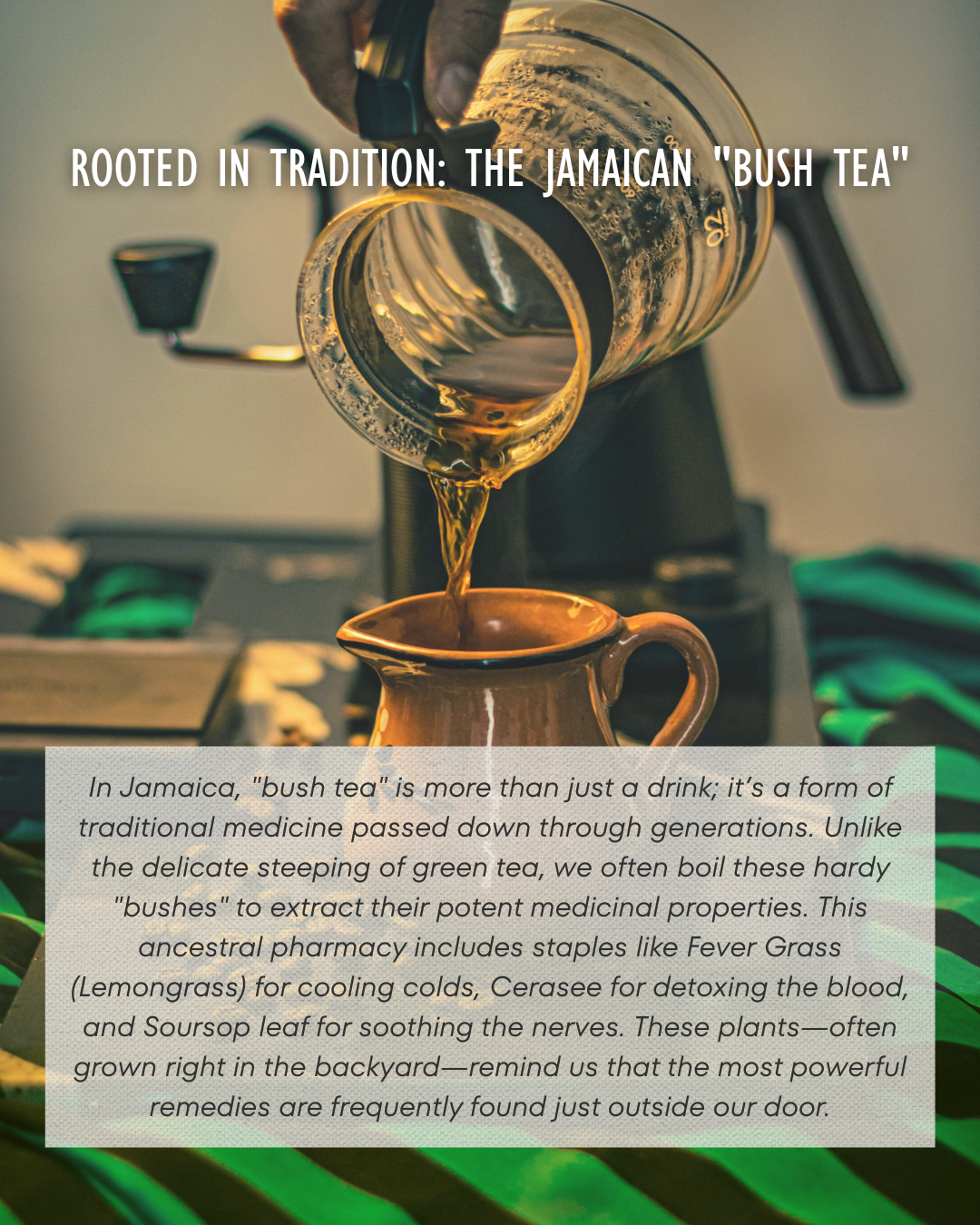
Growing up, my mom used to boil various herbs into what she called “bush tea” whenever I was sick. Back home in Jamaica, this was the primary way of treating illness—a deep well of botanical knowledge passed down through generations.
Watching her carefully prepare those pots really got me thinking about the power of plants. It wasn't just a drink; it was a home-grown pharmacy. Seeing how beneficial and soul-soothing those brews were is what inspired me to start my own tea garden.
Big Flavour, Small Space
You don't need a massive estate to get started. Last year, I built the majority of my tea garden in just two large containers on my deck, with only a few extras sprinkled around the backyard.
If you’re looking for inspiration, here is the "tea menu" I grew in those two pots:
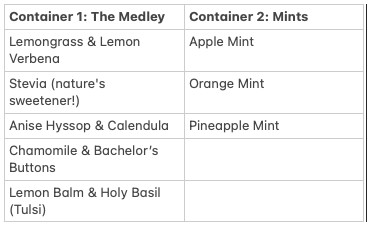
Pro-Tip: Always keep your mints in their own container! Mint is a garden "bully"—if you plant it in the ground, it will quickly spread and choke out your other plants. Keeping them "potted" saves you a lot of future headaches.
Getting Started: Seeds vs. Starts
If you want to start from seed, February is the perfect time to get those indoor trays ready. If you aren't interested in the indoor setup, you can easily buy "starts" (young plants) at your local garden centre in the spring. I did a bit of both, and the results were perfect.
To ensure your tea garden thrives, remember the "Golden Rules":
Sunlight: Most tea herbs crave sun. Aim for 6–8 hours of direct light.
Drainage: Ensure your pots or garden beds have well-draining soil. Herbs hate having "wet feet."
Herbal vs. Traditional Tea
Most of what I grow is considered Herbal Tea (or Tisane), which is naturally caffeine-free. However, if you want "true" tea, you’ll need to plant Camellia sinensis.
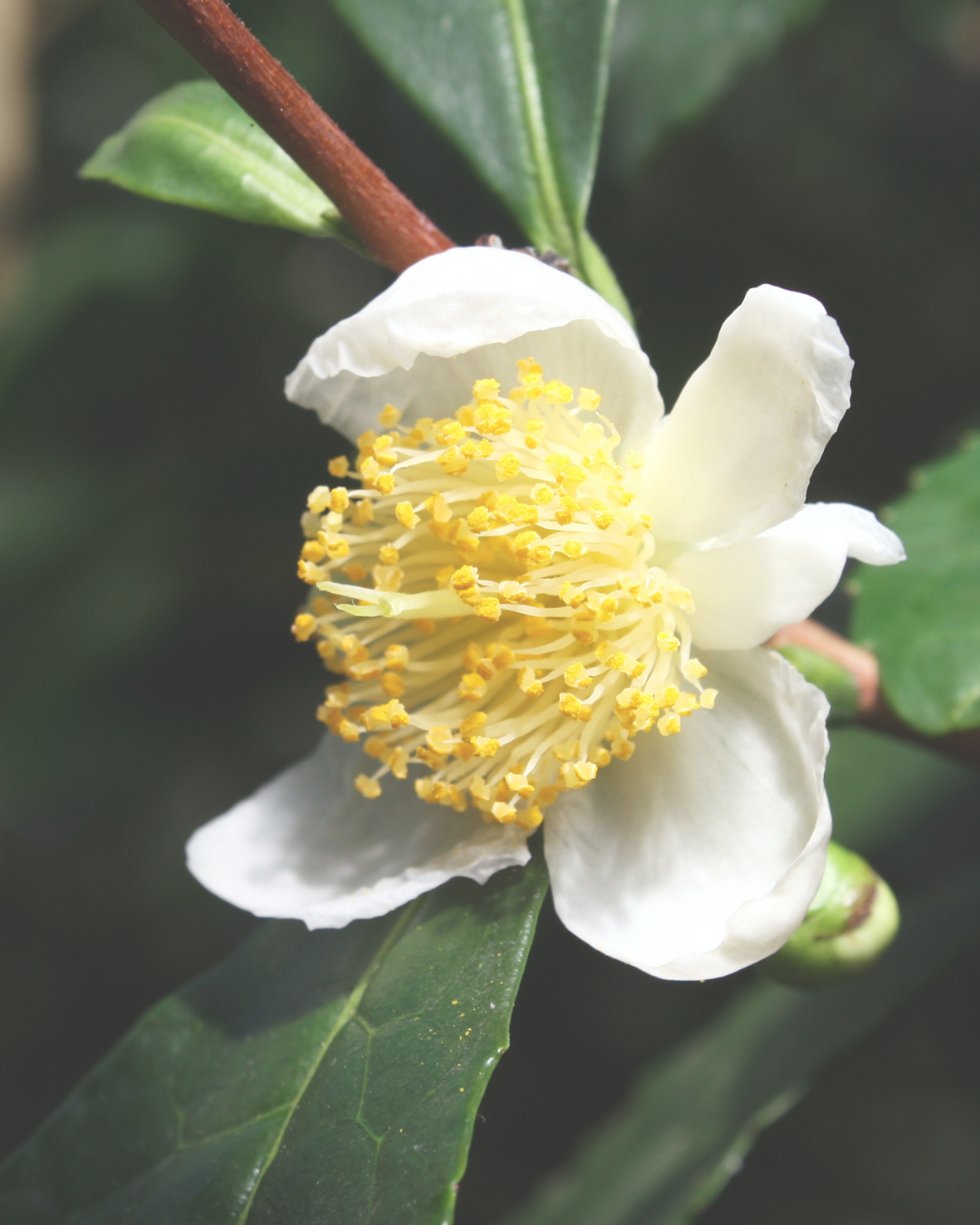
Camellia sinensis
Originating from the Yunnan and Sichuan provinces of China, this single plant is responsible for white, green, oolong, and black tea! While it thrives in Zones 7–9, those of us in colder climates can still grow it by moving the pots indoors for the winter.
The Joy of Experimentation
Don’t forget to experiment! There are so many varieties of common herbs that the options are truly endless. I recently took a trip to a specialty nursery, Richters Herbs, and realized I was totally missing out. I was blown away by the endless varieties of Sage, Mint, and Lavender I had never even heard of.
Visiting a specialty store like Richters is a fun way to expand your palette and realize that a tea garden isn't just limited to leafy greens—you can embed flowers and even fruit that will attract pollinators to your space.
The Final Sip
There is something uniquely magical about harvesting a few fresh leaves or flowers and enjoying a steaming cup right there in the garden. Whether you’re blending a medicinal tonic inspired by "bush tea" or hosting a garden tea party for friends, the rewards are as sweet as a leaf of Stevia.
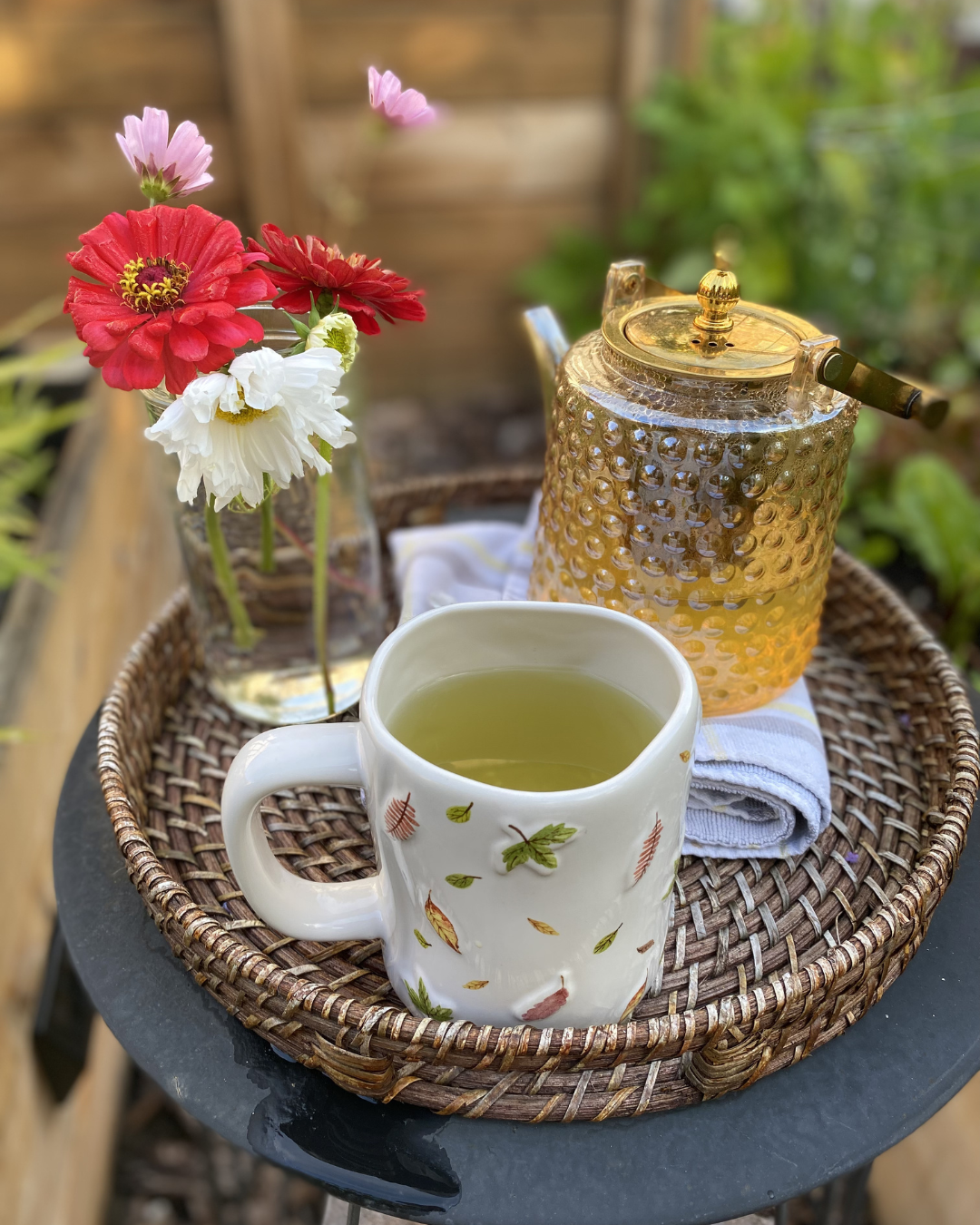
So, grab a pot, pick your favourite scents, and start planting. Your future self—curled up with a homegrown brew—will thank you.
What’s your favourite tea flavour? If you’re starting a garden this year, let me know in the comments which herbs are on your "must-grow" list!