Short Season Pepper Secrets: How to Get Ripe Peppers Before the First Frost
If you’ve been trying to grow peppers but can never seem to get a harvest—or your peppers never quite make it to that vibrant red, yellow, or orange you saw on the seed packet—then this blog post is for you. In a short-season climate, we aren't just gardening; we’re racing against the first frost.
There is nothing more frustrating than watching a beautiful green pepper sit on the vine for weeks, only for a frost to hit right before it turns red. If you’ve struggled to get your peppers to the finish line, you’re likely following advice meant for a warmer climate. Today, we’re changing that. Whether you’re starting in a chilly basement or a drafty garage, these 5 tips will ensure your seed packet photos actually become your reality.
1. Start Early (The "Patience vs. Heat" Trade-off)
If you aren’t using a heat mat, you’re basically asking a tropical seed to wake up in a refrigerator. Without supplemental heat, germination can take 14 to 21 days—and in a truly cold garage or basement, it can stretch to 30 days or more. If you use a heat mat, you can cut that down to just 7 to 10 days.
The "Bottom Heat" Secret: When it comes to peppers, bottom heat is more important than ambient air temperature. You can have a chilly room, but if the soil is warm, those seeds will think it’s summertime.
Get Off the Floor: If you are growing in a garage or basement, never put your seed trays directly on the concrete floor. Concrete acts like a giant heat sink, sucking every bit of warmth out of your soil. Even if you don't have a heat mat, simply moving your trays up onto a shelf, a table, or even a piece of wooden plywood will keep the "feet" of your plants much warmer.
The Strategy: If you aren't using a heat mat, start your seeds 10–12 weeks before your last frost. That extra month of indoor growth is your secret weapon for developing those robust, "woody" stems that can handle the transition to the great outdoors.
2. Pick Your Battles (Variety Selection)
If you have a short growing season, you have to be realistic about the "Days to Maturity" listed on your seed packets. Don't try to grow a 120-day Super Hot Habanero if your frost-free summer only lasts 60 days—unless you have a plan.
The Safe Bets: Look for varieties specifically bred for speed and cooler nights. Early Jalapeño, King of the North (a classic bell pepper), or Hungarian Hot Wax are built for short seasons and will almost always guarantee a harvest.
The "Super Hot" Exception: If your heart is set on those 120-day Ghost Peppers or Habaneros, don't give up! You just have to lean heavily into Tip #1. By starting those varieties 12–14 weeks early indoors, you’re essentially "buying" the extra time they need. You aren't just starting a seed; you're building a massive, mature plant ready to explode with fruit the second it hits the summer sun.
3. Humidity is Non-Negotiable
Peppers are native to the tropical regions of Central and South America. They are genetically programmed to wake up in a warm, misty rainforest, and we want to mimic that in our grow space.
The "Point of No Return": Once a seed absorbs water and begins to germinate, it is incredibly vulnerable. If the soil surface dries out even for a few hours, the tiny embryo can dehydrate and die before it ever breaks the surface. In a cold space, heaters or grow lights can suck the moisture out of the soil faster than you’d think.
The Hack: Use a humidity dome to create a self-sustaining microclimate. It traps the moisture, ensuring the seed stays "tucked in" and hydrated 24/7.
The DIY Alternative: If you don’t have a dome, stay vigilant. Spray the surface of the soil daily with a misting bottle. You want the soil to look like a wrung-out sponge—consistently damp, but never pooling.
4. Chase the Light
In a cold space, peppers grow slower, so they need maximum energy efficiency.
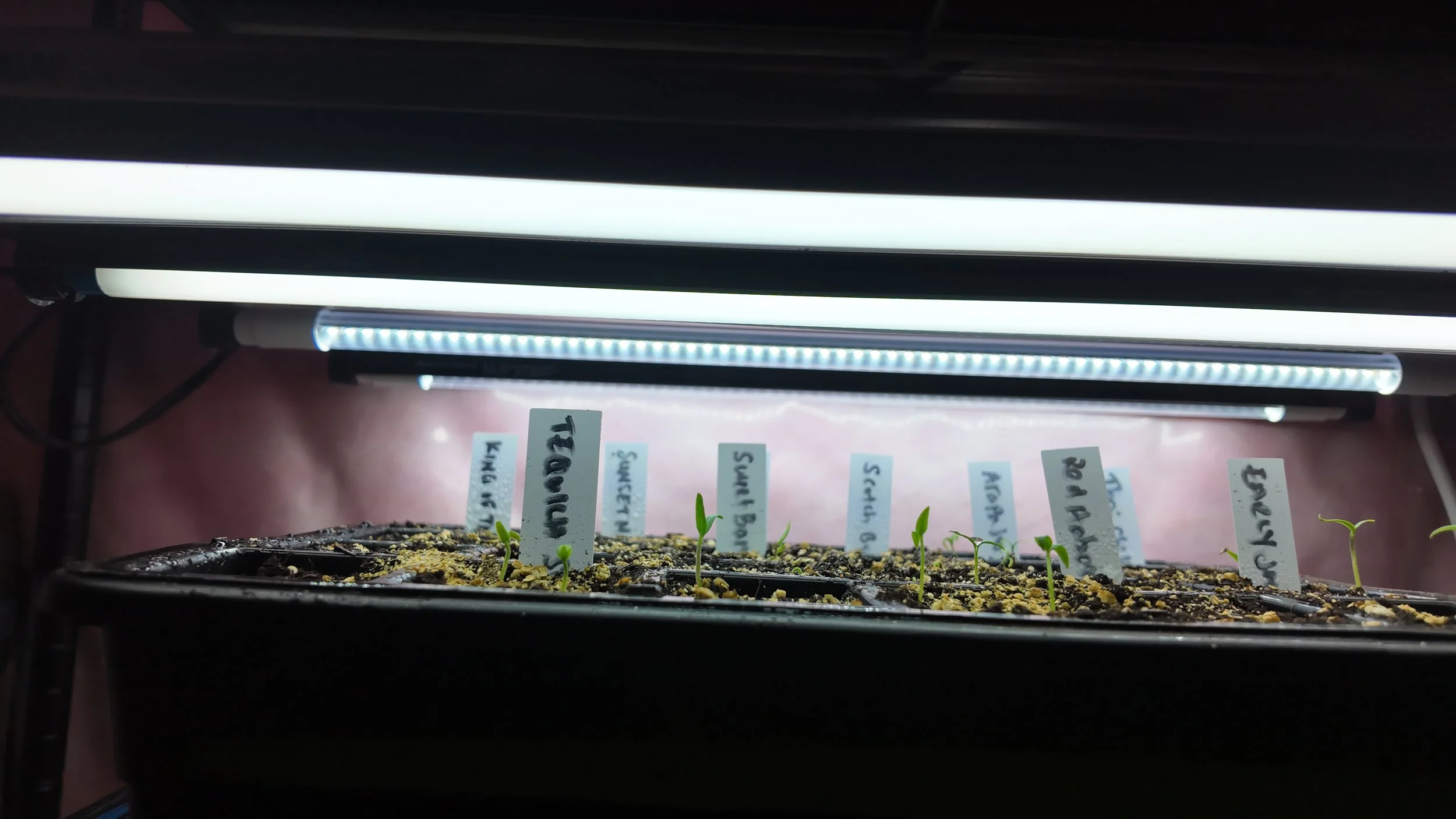
The Rule: Keep your LED or T5 grow lights 2–3 inches from the soil. Once those peppers break the surface, they will "stretch" toward the light source. A leggy pepper plant is a weak pepper plant—keep the light close to keep them stocky and strong.
5. To Pinch or Not to Pinch? (The Short Season Trap)
You’ve likely seen the popular advice: "Pinch off the tops of your pepper plants to make them bushier!" While this works for some, for cold-climate growers, it can be a huge mistake.
The Delay: When you pinch a seedling, you hit the "pause" button. The plant must redirect energy to regrow side buds, which usually delays flowering and fruiting by 2 to 3 weeks.
The Math: In a short season, those 21 days are the difference between a basket of ripe peppers and a plant full of green fruit hit by an early September frost.
The Exception: If you are overwintering a pepper plant from last year, go ahead and give it a chop! An overwintered plant has an established root system and plenty of energy to bounce back.
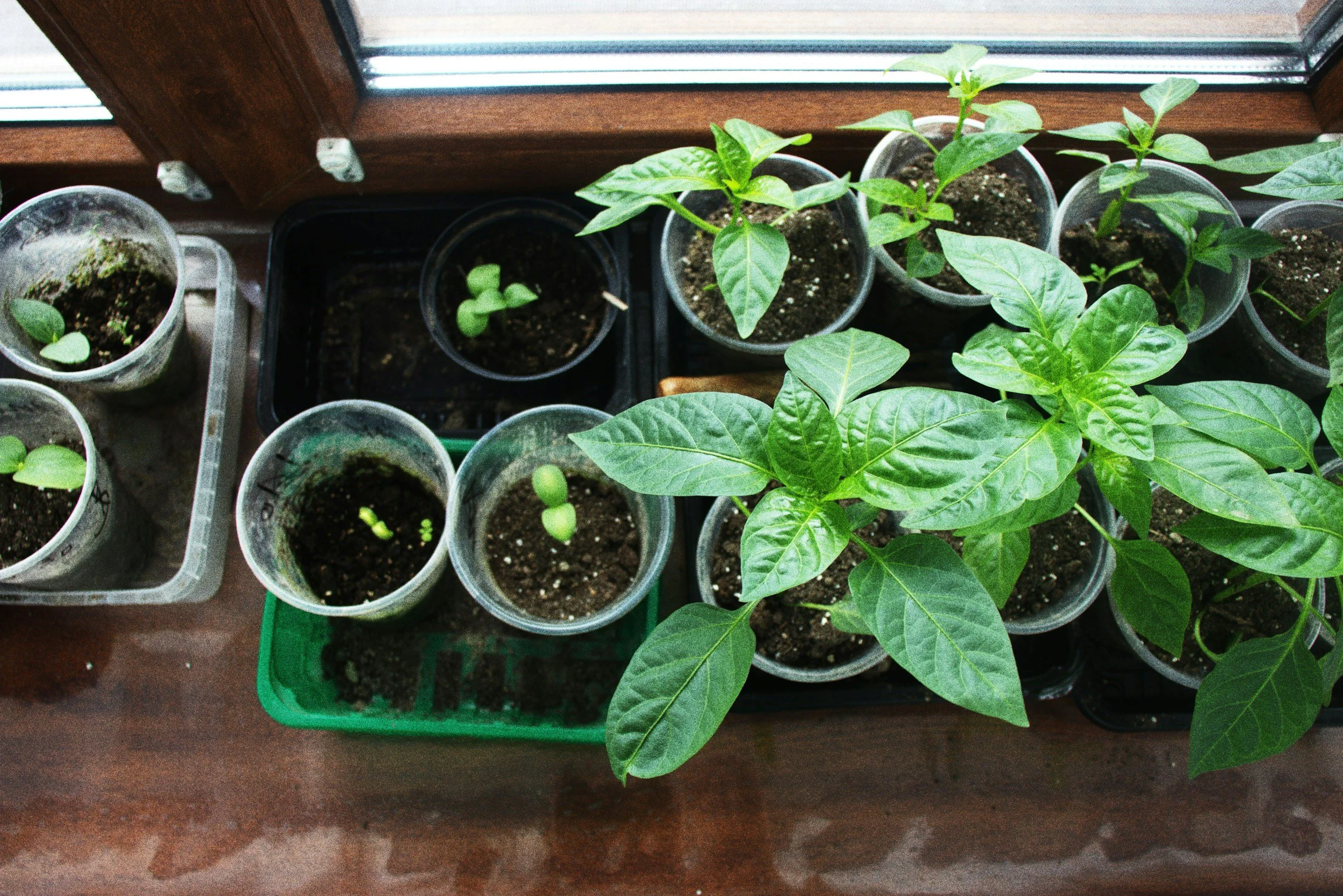
The Verdict: If you are starting from seed this season in a cold space, skip the pinch. If you followed Tip #4, your plants will already be stocky. Let them keep their head start so they can fruit the moment they hit the garden soil!
Ready to see the results?
Growing peppers in a cold climate is all about outsmarting the environment. By focusing on bottom heat, maintaining high humidity, and protecting your "head start" by not pinching, you can finally enjoy the vibrant, fully-ripened harvest you’ve been dreaming of.
If you want to see exactly which varieties I’m banking on this year and get a closer look at my cold-space setup, check out the video below!